
JLR BECM Replacement: Why High Voltage Is Not DIY
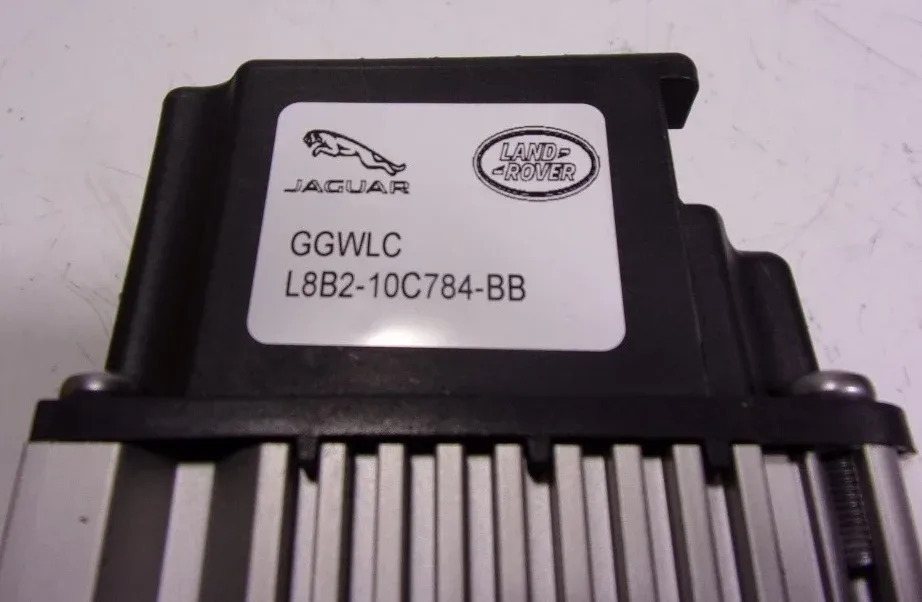
The Short Answer
JLR BECM replacement is not a DIY job, full stop. The Battery Energy Control Module sits inside a roughly 400-volt DC high-voltage system, and contact with that level of DC can cause cardiac arrest, severe burns or death — silently, invisibly, and faster than you can let go. Replacement belongs to certified EV/hybrid technicians with training, PPE and verified zero-voltage procedures.
Online tutorials make everything look achievable, but high-voltage work is the exception that can kill you. This guide explains the actual danger, what professional training covers, and the correct path to getting the repair done. For what the module itself does, start with what is a JLR BECM.
The Invisible Danger of 400 Volts DC
A JLR PHEV high-voltage system operates at around 400 V DC — and DC is more dangerous than the AC in your home because it clamps your muscles, preventing you from releasing the conductor, while giving no spark, sound or smell as warning.
Three properties make this unforgiving. First, muscle lock: DC current causes continuous contraction, so the instinct to pull away fails at the moment you need it most. Second, lethality: this voltage and available current are comfortably sufficient for fatal cardiac effects and arc-flash burns. Third, silence: a live HV component looks identical to a dead one. Capacitors inside HV modules can also retain lethal charge after disconnection — "I unplugged it" is not a safety state. These systems demand respect, and the statistics of workshop HV incidents exist because competent people underestimated them.
What Certified Technicians Actually Do
Certified EV/hybrid technicians follow a formal, multi-stage safety protocol — de-energize, secure, verify zero, then work with insulated tools and rated PPE — where every step exists because skipping it has hurt someone. The procedure is deliberately redundant: isolation is checked, then confirmed again with a meter, before any component is touched.
The professional procedure includes:
- System de-energizing. A documented sequence using the designated service disconnects to isolate the high-voltage battery.
- Lockout and securing. Preventing any re-energizing while work is in progress.
- Zero-voltage verification. A rated meter confirms the system is truly dead before any HV component is touched — a measurement, not an assumption.
- Rated equipment. 1000 V-insulated tools and high-voltage safety gloves, inspected before use.
- Module programming. A replacement BECM must be programmed to the vehicle's VIN through JLR's proprietary software — beyond any standard scanner, as our technician's BECM replacement guide details.
None of this is ceremony. Each step exists because a specific incident taught the industry it was needed — technicians have been burned by assumed-dead systems that were live, by capacitors that held charge, and by tools that were never rated for the voltages present. Certification is the paper proof that someone has been trained to distrust their own assumptions around these systems, which is precisely the mindset HV work demands.
The Hidden Risk: What a Bad Repair Can Cost
Beyond personal injury, an amateur BECM swap risks the most expensive component on the vehicle — the high-voltage battery pack — because the BECM is the pack's protection layer, and incorrect work can leave the pack unmonitored or even damaged.
The BECM controls the contactors, supervises charging and watches cell health. Botched installation or skipped programming can leave contactors in unsafe states, charging limits wrong, or isolation monitoring compromised — and the consequences land on a battery pack that costs multiples of the BECM itself. Insurance and warranty add a second exposure: HV work performed by uncertified hands can complicate future claims. None of this is scaremongering; it is the arithmetic professionals weigh before they pick up insulated tools. The safe path — certified installation, professional programming — is also, conveniently, the one that protects the five-figure component the BECM exists to guard.
The Part You Can Safely Do Yourself
Owners can legitimately handle the intelligence side of the repair — diagnosis, sourcing the correct part, and choosing the repair route — while leaving every high-voltage touch to certified hands. That division of labour saves real money without adding real risk: the decisions are yours, the danger stays with people trained and equipped for it.
Sensible DIY-scope steps: get a proper remote or workshop diagnosis so you know it is actually the BECM and not the charger or a wiring fault; source the correct replacement part by part number; and choose between repair, used module or new. Our guides on how a failed BECM can damage the HV battery and BECM replacement costs help you make those decisions with numbers rather than fear. The moment the orange-cabled hardware comes out, though, the job belongs to someone with certification, insulated tools and a verification meter.
The Correct Path to Repair
The safe BECM repair route runs diagnosis first, certified physical replacement second, and professional programming last — compress any of those steps and you are gambling with safety or money. Each stage exists to protect the next: diagnosis prevents wrong parts, certified work prevents injury, and programming prevents an undriveable car.
In practice: start with a proper diagnostic session — remotely via SX-LINK or at a specialist — to confirm the BECM verdict. Then choose the repair route: specialist board-level repair through our module repair service, a correctly programmed used module, or a new unit where that is genuinely warranted. The physical swap goes to a qualified independent JLR specialist or a dealer with EV certification. Programming completes the job so the vehicle accepts the module. Followed in order, this path is cheaper than a panic dealer visit and incomparably safer than a driveway attempt.
One more distinction worth holding onto: diagnosis and programming can be delivered remotely because they are software work, but the physical replacement cannot — and any provider offering to "do the whole thing remotely" has misunderstood or misrepresented the job. The safe model is a partnership: certified hands at the vehicle, specialist software support on the line, and you coordinating both with full information.
Frequently Asked Questions
Can I just disconnect the 12 V battery to make it safe? No. The 12 V system and the high-voltage system are separate. Disconnecting the 12 V battery does not de-energize the HV battery, and HV capacitors retain charge even after the HV system is isolated. Only the full HV de-energizing procedure with zero-voltage verification is safe.
What qualifications should the technician have? Look for formal EV/high-voltage certification appropriate to your market — training that covers HV isolation, PPE, insulated tooling and live-dead-live verification. A general mechanic qualification alone does not cover high-voltage work.
Is a used BECM safe if professionally installed? Yes. A tested, correctly programmed used BECM fitted by a certified technician is a legitimate, widely used repair. The safety issues are the HV work itself and correct programming — both covered by professional process.
Can the programming be done remotely after installation? Yes — once the module is physically installed and the vehicle is safe, programming and configuration can be performed in a remote session with JLR-level tooling, which is how many of our customer jobs complete.
How much does professional BECM replacement cost? Typical totals vary widely by model and market — from the mid hundreds for a used module plus labour, to four figures for a new module at dealer rates. Diagnosis first ensures you only pay for what the car actually needs.
Stay Safe, Save Smart
SX-Tool supplies genuine BECM parts, remote diagnosis and programming support — but we will always tell you to leave the high-voltage spanner work to certified professionals, because no labour saving is worth the risk these systems carry. Start with remote diagnosis or our module repair service and stay safe.