
Find the Correct BECM Part Number (Range Rover)
The Short Answer
The only reliable way to find the correct BECM Part Number for your Range Rover is a VIN lookup in the JLR Electronic Parts Catalogue, performed by a dealer or specialist. The number on your old module helps, but supersessions mean the label may show an outdated part. Verify before you buy — a wrong BECM simply will not program.
Replacing a Battery Energy Control Module is one of the most expensive component swaps on a plug-in hybrid Range Rover, and it is completely unforgiving of parts errors. Install the wrong variant and the vehicle will reject it during programming — you will own an expensive paperweight and still have a broken car.
This guide covers why the number matters so much, the two ways to find it, and the supersession trap that catches buyers who rely on the label alone. For background on what the module does, start with what a JLR BECM is.
Why the Exact Part Number Matters So Much
JLR uses different BECM hardware and software variants across models, model years and markets — a module for a 2019 Range Rover Sport P400e can differ from a 2022 Range Rover PHEV unit in processing hardware, battery chemistry profiles and communication protocol. Only the exact variant will program.
The differences are not cosmetic:
- Hardware revisions. Internal components and processing capability change across production runs, and the vehicle's software expects specific hardware.
- Software profiles. Charging strategy and cell-monitoring parameters are tuned to specific battery capacities and chemistries.
- Network generation. SDD-era P400e modules communicate differently from DoIP-era PHEV modules on the L460 platform.
A mismatched module fails at the programming stage: the diagnostic tool refuses to write a configuration meant for different hardware. That is why guessing from photos or marketplace listings is expensive. The failure patterns these modules show before replacement are covered in inside a failing JLR BECM.
Method 1: VIN Lookup — the Reliable Route
A VIN lookup uses your 17-digit Vehicle Identification Number to pull your vehicle's exact build record in the JLR Electronic Parts Catalogue, returning the current, correct BECM part number including any supersessions. It takes minutes, costs nothing, and eliminates guesswork entirely.
The process is simple:
- Locate your VIN. Windscreen base on the driver's side, the door-jamb sticker, or your registration documents.
- Send it to a specialist. A JLR dealer parts desk or a specialist supplier like SX-Tool can run the lookup.
- Receive the current number. The catalogue returns the exact part specified for your build — and, crucially, the latest supersession if JLR has replaced the original number with an improved revision.
Our VIN decoder can confirm your model and build details before you start, which is useful context when talking to a parts desk. The VIN route is the one we recommend without exception for a component at this price point.
Method 2: Reading the Label on the Old Module
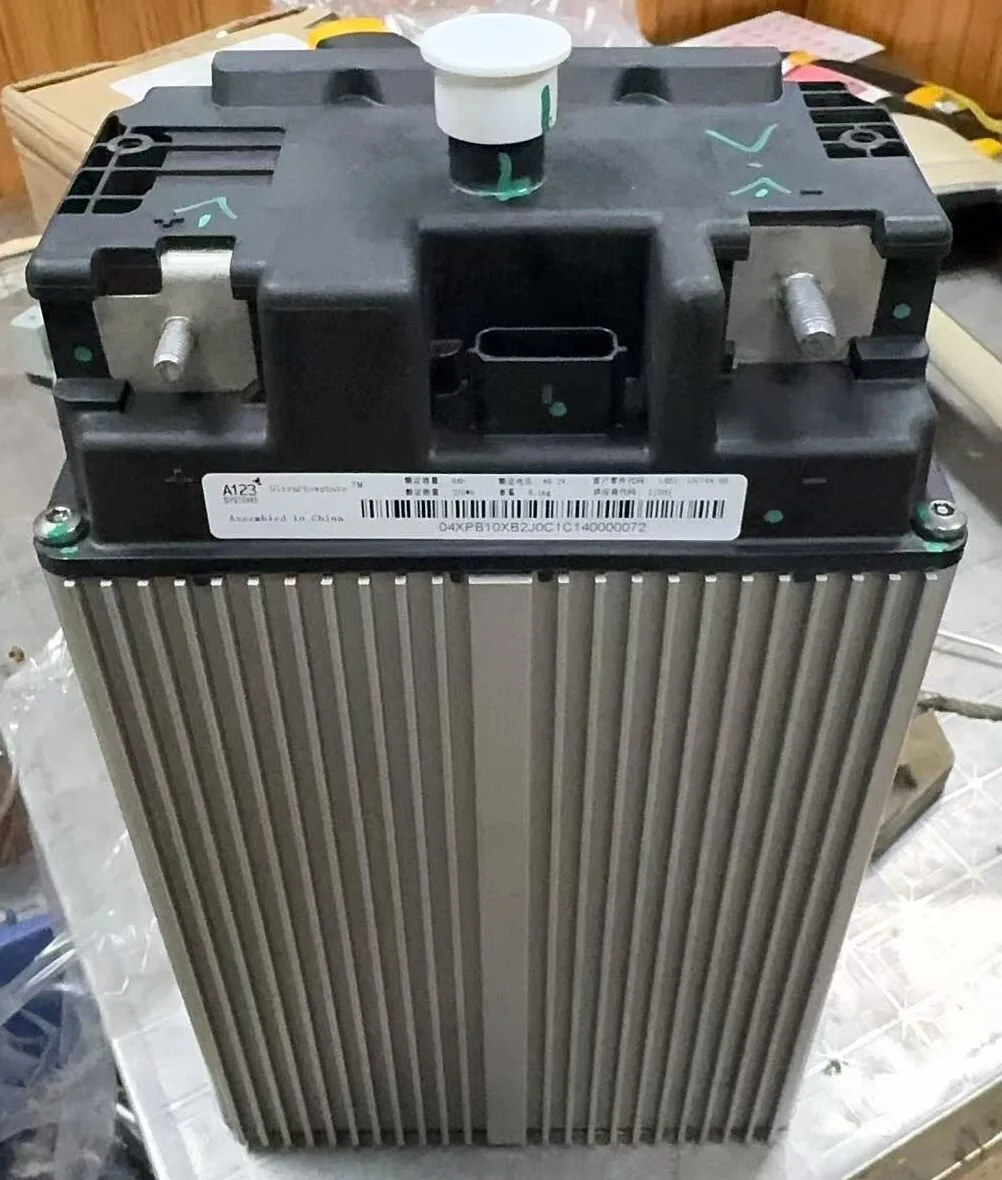
The old BECM carries its part number on the housing label — typically in a format such as LK72-14B523-AG — and reading it is a useful cross-check once the module is accessible. Treat the label as a starting point for a catalogue check, not as the final answer.
Two cautions apply. First, access: the BECM sits within the high-voltage battery assembly area, so reading the label usually means the module is already out — the lookup should really happen before disassembly. Second, currency: the label shows what was fitted at build or last replacement, not what JLR specifies today.
Photograph the label clearly, note both the engineering number and the service part number if both are shown, and cross-reference them against the catalogue or with a specialist before ordering. If label and catalogue disagree, the catalogue wins.
The Supersession Trap
Supersession is JLR's practice of replacing a part with an improved version under a new number: the old number still "fits" physically, but the current catalogue entry is the part you should buy. Sellers of old-stock or used parts quote superseded numbers constantly — check before paying.
This is where private buyers get burned. An online listing quotes a part number that matches the label on your old module perfectly — because it is the same old, superseded part. It may even be genuine and unused. But if JLR revised the module to address a known failure mode, buying the superseded version means installing the old weakness back into the car.
A competent parts specialist checks the supersession chain automatically. If you are comparing prices between suppliers and one is quoting an older number at a suspiciously good price, that difference is usually the explanation. Our Range Rover BECM replacement cost guide explains where the money in this repair actually goes.
New, Repaired or Commissioned: Know Your Options
Once the correct part number is confirmed, the choice is between a new module, specialist repair of your own unit, or a properly commissioned used module. Each has a legitimate place — the right answer depends on the failure, the budget and the vehicle's value. Diagnosis should decide, not the parts desk.
The realistic paths:
- New genuine module. The default dealer route — virgin, current-spec and warranted, at the highest price.
- Repair of your own BECM. Contactor and board-level faults are often repairable by specialists; our module repair service handles exactly this.
- Commissioned used module. A used unit can be virginised and programmed to your VIN by specialists with the right equipment — see programming used JLR modules for what that involves.
Whichever route you choose, the part number confirmed by VIN is the anchor the whole repair hangs from.
Frequently Asked Questions
Where is the BECM located on a Range Rover PHEV? The BECM is integrated with the high-voltage battery pack assembly, which sits beneath the vehicle's floor. Access requires lift equipment and high-voltage safety procedures — this is not a driveway job. Part number verification should happen before any disassembly, using the VIN, so the module only comes out once.
What does a BECM part number look like? JLR module part numbers typically follow formats such as LK72-14B523-AG — a prefix identifying the programme, a base number identifying the component family, and a suffix indicating the revision level. Labels may also show an engineering number. When in doubt, photograph the whole label and let a specialist decode it.
Can I fit a BECM from a different JLR model? Almost never successfully. Even when modules share a family, the software profiles, hardware revisions and network generations differ between models and years, and the vehicle will reject an incorrect variant at programming. Only the catalogue-specified part number for your VIN — or its current supersession — should be fitted.
Why do two suppliers quote me different part numbers? The usual reason is supersession: one supplier is quoting the original number, the other the current replacement. Both may physically fit, but the superseded part is the one JLR now specifies. Occasionally a supplier is simply wrong — another reason the VIN-catalogue check, rather than any single seller, should be your source of truth.
Do I need programming after fitting a new BECM? Yes. A new BECM arrives in a virgin state and must be programmed and configured to the vehicle with JLR-level diagnostic tooling before the hybrid system will operate. This final step is part of the repair, not an optional extra — budget and plan for it alongside the part itself.
Get the Number Confirmed Before You Spend
SX-Tool verifies BECM part numbers by VIN, supplies modules and repair services, and programs replacements remotely or in the workshop. Send us your VIN through the contact page, or explore the BECM replacement guide for technicians for the full repair picture.